What is Session Time in SEO? Learn Now!
Published: 23 Nov 2025
Have you ever wondered how websites know how long you stay on a page? This is called session time! In this article, we will explain what session time means, why it’s important for websites, and how it affects things like SEO and user experience.
You’ll also learn how websites track session time and why longer session times are better for websites.
So, guys, let’s dive in and explore everything!
What is Session Time?
Session time is the amount of time a user spends on a single webpage. When you visit a webpage, the moment you arrive, the clock starts counting. This means the website tracks how long you stay until you leave.
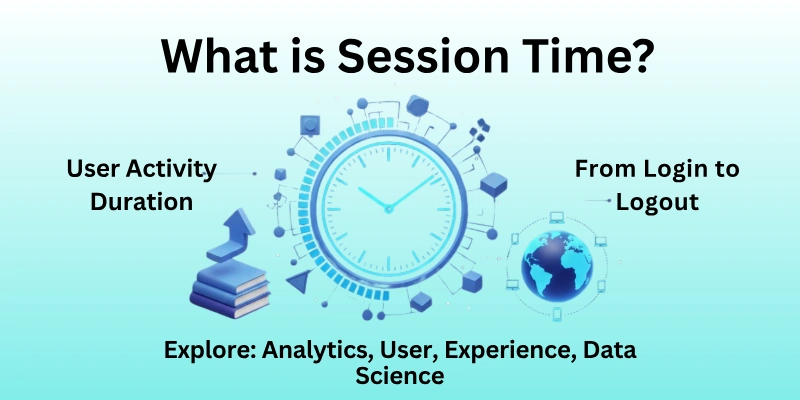
Session time is important because it helps website owners understand how interesting their page is to visitors. If visitors stay for a long time, it usually means they find the page helpful or fun.
On the other hand, if they leave quickly, it might mean the page isn’t what they were looking for. Knowing about session time helps websites improve.
How Session Time Works
Websites have special tools that track how long each visitor stays on a webpage. From the time you open the page to the moment you close it, the website counts every second.
For example, imagine visiting a page to read a story or watch a video. If you stay on that page to finish the video or story, your session time will be longer. As soon as you close the page or leave, the session ends.
Website owners use this information to learn about what makes visitors stay longer.
Why Is Session Time Important for Webpages?
Session time tells website owners how engaging their content is. When someone stays on a page for a long time, it usually means they are interested in the content.
Websites with longer session times are often seen as having better content because people spend more time exploring.
If a user only stays for a short time, it might mean the content isn’t what they were looking for. Maybe the page was slow to load, or the information wasn’t clear. Short session times are a sign that the website might need improvements.
Factors That Affect Session Time
Here are some key factors that affect the session with the solutions on how you can improve the session time on the webpage:
1. Page Load Speed
If a webpage takes too long to load, visitors may leave before even seeing the content. A slow-loading page frustrates users and often leads to them clicking away.
- Impact on Session Time: The faster the page loads, the more likely users are to stay and explore. A slow page decreases session time because users don’t want to wait.
- Solution: Optimize images, use fast hosting, and reduce the number of large files on the page to improve speed.
2. Content Quality
The better the content, the more likely users are to stay. Content that is interesting, helpful, or entertaining keeps users engaged.
- Impact on Session Time: High-quality content naturally increases session time because people are interested in consuming the information.
- Solution: Write clear and engaging articles using very easy wording.
3. Page Design and Navigation
A well-designed webpage is easy to use. If users can find what they’re looking for quickly, they are more likely to stay longer.
- Impact on Session Time: Pages with simple navigation, clear layout, and well-organized information help users stay longer. Confusing designs may cause users to leave early.
- Solution: Keep the design clean and make it easy for users to navigate from one section to another.
4. Mobile-Friendliness
Many users access websites on their mobile devices. If the page doesn’t look good or work well on a small screen, users may leave quickly.
- Impact on Session Time: A mobile-friendly page increases session time. If the page is not mobile-optimized, users may experience frustration and exit early.
- Solution: Ensure that the website is responsive, meaning it adapts to different screen sizes. Make buttons easy to click, and avoid using elements that don’t work on mobile devices.
5. User Intent
Users may visit a webpage for different reasons. Some come to find quick answers, while others want to explore detailed information. If the page meets their needs, they will stay longer.
- Impact on Session Time: If the content aligns with the user’s intent, they will spend more time on the page. If not, they may leave quickly.
- Solution: Understand the purpose of your audience’s visit and provide content that matches their expectations. Answer their questions clearly and to the point.
6. Internal Linking
Internal links guide users to other parts of the website, keeping them encouraging them to explore more.
- Impact on Session Time: When users click on internal links, they stay on the website longer, visit multiple pages, and increase overall session time.
- Solution: Include relevant internal links within your content to guide users to other useful pages on your site.
7. Engaging Visuals
Visual content like images, videos, and infographics captures attention and helps explain the topic more effectively.
- Impact on Session Time: Users who find videos or interesting visuals tend to stay longer as they take time to watch or view the content.
- Solution: Add engaging images and videos that are relevant to the content.
8. Call-to-Action (CTA) Placement
Call-to-actions (CTAs) prompt users to take further action, like clicking on a link, filling out a form, or reading more.
- Impact on Session Time: Effective CTAs increase session time by leading users to take the next step, keeping them engaged on the page.
- Solution: Place CTAs in visible, strategic locations where users are most likely to click, such as after informative content or near the end of a page.
9. Ads and Pop-Ups
While ads and pop-ups can be a source of income for websites, they can also distract users and cause them to leave early if not handled well.
- Impact on Session Time: Too many ads or pop-ups can reduce session time by annoying visitors and making them exit the page quickly.
- Solution: Use ads and pop-ups sparingly, and make sure they don’t interrupt the user experience.
10. Website Trust and Security
Visitors are more likely to stay on a page if they trust the website. If the site looks suspicious or insecure, users may leave quickly.
- Impact on Session Time: A secure website with proper certifications (like HTTPS) makes users feel safe and more likely to stay longer.
- Solution: Ensure your website has a secure connection (SSL certificate) and looks professional to build trust with users.
Session Time vs. Bounce Rate
Bounce rate and session time are connected but different.
Session time and bounce rate both show user behavior, but they mean different things. Session time tells how long a user stays and interacts on your website, while bounce rate tells if a user left immediately without doing anything.
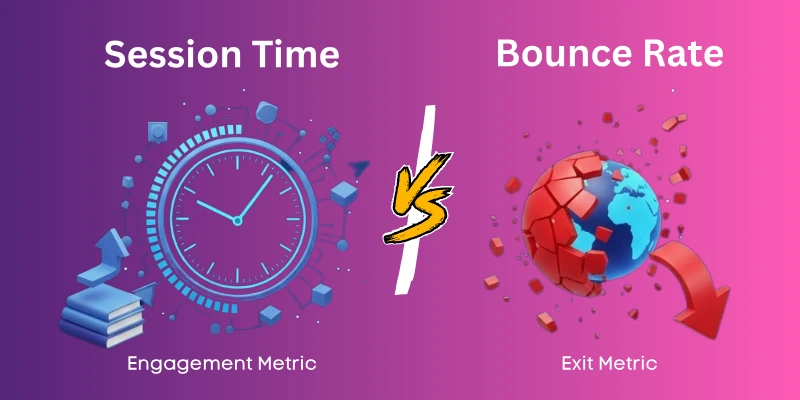
So when session time is high, it means users are engaging. When bounce rate is high, it means users left quickly. A good website aims for a longer session time and a lower bounce rate because this shows people find the page useful and stay to explore.
Tools to Measure Session Time
There are several tools that website owners use to track session time:
- Google Analytics: This is the most popular tool. It shows website owners how long users stay on their pages and how they interact with the content.
- Hotjar: This tool gives a visual map of where users click, showing which parts of the page they spend time on.
- Crazy Egg: Like Hotjar, Crazy Egg helps website owners understand user behavior, especially how long they stay on certain sections of the page.
These tools help website owners improve their pages by showing what works and what doesn’t.
How Does Session Time Impact Website Revenue?
Session time doesn’t just help improve content; it can also affect how much money a website makes:
Longer Session Time = More Ad Revenue
Many websites earn money from ads. The longer a visitor stays on a webpage, the more ads they see, which can lead to more clicks and higher earnings.
Better Sales: For websites that sell products, long session times can mean visitors are browsing more items. This increases the chance that visitors will buy something.
When visitors stay longer, they are more likely to interact with ads, products, or services, which can lead to more revenue for the website.
Conclusion
So, guys, in this article, we have covered session time in detail.
Session time is a key part of understanding how people use a website. Whether it’s helping a website rank better in search engines, improving user experience, or giving website owners clues about how well their pages are working, session time matters a lot.
So, site owners try their best to keep people on a website longer, create well-optimized content, and make the site easy to use
FAQs: What is Session Time in SEO
Here are some of the most frequently asked questions related to the session time:
No, session time can vary for different webpages depending on the content. Some pages might need more time to read, while others are quick. It depends on what the page offers and how users interact with it.
A good session time depends on the type of content you have. For example, a blog might have longer session times than a product page. You can compare your session time with similar websites to see if it’s good or needs improvement.
Visitors might leave quickly if the page takes too long to load or if they don’t find the content helpful. Bad design or irrelevant content can also make users exit.
Search engines like Google see longer session times as a sign that your content is useful. When people stay longer, it shows that your page is engaging, which can help improve your ranking.
Yes, tools like Google Analytics can help you track session time. These tools show how long users stay on your page and give other helpful information about your website performance.
Yes, all types of websites, from blogs to e-commerce stores, benefit from longer session times. It shows that users are interested in the content or products.
Yes, external factors like slow internet connections can cause users to leave quickly. Even if your page loads fast, users with poor internet might have a slow experience.
Not always. Simply adding more content won’t help if the quality isn’t good. The content needs to be interesting and useful so that users stay on the page longer.
Session time reflects how much a user engages with the content, so longer times usually mean a better user experience. If users spend time on your page, they are likely to find value in what they see. Short session times can indicate a poor experience or unmet expectations.
Yes, session time can vary between desktop and mobile users. Mobile users might spend less time if the page is not mobile-friendly, while desktop users may stay longer if they find the layout easier to navigate. Optimizing for both devices can help improve session time on all platforms.
No, session time only counts the time spent actively engaging with a webpage. If a user opens multiple tabs and leaves your page idle, the time spent away is not tracked. Only the time when the user is interacting with your page is counted.
Yes, it’s possible to have a high bounce rate and a long session time. This happens when users spend a lot of time on one page but don’t click on other pages. It means they found what they needed on that page without further exploration.




- Be Respectful
- Stay Relevant
- Stay Positive
- True Feedback
- Encourage Discussion
- Avoid Spamming
- No Fake News
- Don't Copy-Paste
- No Personal Attacks
- Be Respectful
- Stay Relevant
- Stay Positive
- True Feedback
- Encourage Discussion
- Avoid Spamming
- No Fake News
- Don't Copy-Paste
- No Personal Attacks
