7-Step Formula for Predicting SEO Success Fast
Published: 15 Mar 2026
Have you ever wondered why some websites get hundreds of visitors a day while others barely get noticed?
SEO is the secret sauce. But it’s not enough to just “do SEO”. Predicting SEO success helps you focus on strategies that actually work, saving time and effort while increasing your chances of reaching the top of search results.
In this guide, I’ll walk you through a 7-step formula for predicting SEO success that I use for websites and clients. It’s designed to be practical, actionable, and easy to follow, even if you’re just starting with SEO.
What is SEO Success?
SEO success isn’t about ranking first for every keyword, it’s about being visible to the right audience.
Imagine your website as a store. SEO is the signboard guiding visitors to your door. Predicting SEO success is like having a map that shows which paths bring the most visitors and which areas are worth focusing on.
The key pillars of SEO success are:
- High-quality content: Content that educates, entertains, or solves problems.
- Backlinks: Recommendations from other websites that signal credibility.
- On-page optimization: Structuring your site so it’s easy to navigate and understand.
- Technical health: Fast-loading, mobile-friendly, and well-indexed pages.
When these pillars are strong, you can anticipate growth and plan your strategy effectively, rather than relying on guesswork.
7-Step Formula for Predicting SEO Success
Here are the best 7 steps listed for predicting your site’s SEO success:
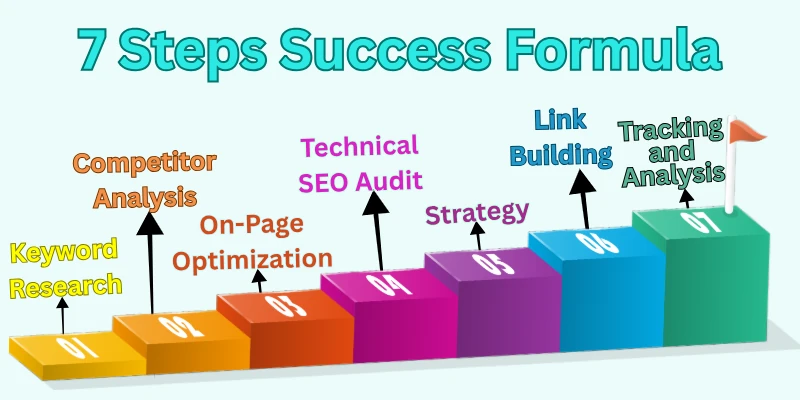
- Step 1: Keyword Research and Selection
- Step 2: Competitor Analysis
- Step 3: On-Page Optimization
- Step 4: Technical SEO Audit
- Step 5: Content Strategy and Creation
- Step 6: Building High-Quality Backlinks
- Step 7: Tracking and Analysis
Let’s start covering each step in detail.
Step 1: Keyword Research and Selection
Keywords are the search terms people type into Google when looking for information, products, or services. Picking the right ones ensures your website reaches the right audience at the right time.
Why Keywords Matter
Keywords are the bridge between what people search for and your content.
- Targeted keywords make your website visible in relevant searches.
- Relevant keywords attract visitors who are genuinely interested in your content.
- Using the right keywords increases the chance of converting visitors into customers.
Tools I Use
Keyword research tools save hours of guesswork.
- Google Keyword Planner: Shows search volume and competition.
- SEMrush: Allows competitor keyword analysis and identifies gaps.
- Ahrefs: Tracks keyword performance and finds profitable long-tail keywords.
- Ubersuggest: Quick ideas for keywords and related searches.
Long-Tail vs Short-Tail Keywords
Different types of keywords serve different purposes.
- Short-Tail Keywords: High search volume but competitive (e.g., “shoes”).
- Long-Tail Keywords: Specific and targeted, lower competition (e.g., “comfortable running shoes for beginners”).
My Recommendation: Use a mix. Short-tail keywords increase visibility, while long-tail keywords attract visitors ready to take action.
Personal Tip: Always think like your audience. Ask: “What would my ideal visitor type to find this page?” This mindset ensures your SEO strategy aligns with real search behavior.
Step 2: Competitor Analysis
Competitor analysis is like studying top players to learn their strategies.
Understanding what competitors do well and where they fail gives you insights that can accelerate your SEO success.
Identifying Your Competitors
You need to know who you’re competing with online.
- Find websites ranking for the same keywords as you.
- Look at competitors who offer similar products, services, or content.
- Focus on top performers in your niche.
Analyzing Competitor Strategies
Learn from their successes and avoid repeating their mistakes.
- Check which keywords they rank for.
- Observe their content structure and style.
- Analyze their backlink profile for opportunities.
Learning from Competitors
Don’t copy; improve and add more value.
- Offer more in-depth content than competitors.
- Add visuals, examples, and actionable tips they missed.
- Identify gaps in their content and fill them with your expertise.
Personal Tip: I make a competitor spreadsheet listing 5–10 top competitors. I track their best pages, keywords, and backlinks. This spreadsheet becomes my roadmap to outperform them strategically.
Step 3: On-Page Optimization
On-page SEO is about making your website easy to navigate and valuable to both users and search engines. Even with the best content, poor on-page optimization can prevent pages from ranking.
Key On-Page Elements
Each element on your page should serve a purpose.
- Title Tags: Unique, descriptive, and include the main keyword.
- Meta Descriptions: Summarize content and encourage clicks.
- Header Tags (H1, H2, H3): Structure content for readability.
- Content Quality: Provide actionable insights, not fluff.
- Internal Links: Connect related pages for better navigation and SEO.
Personal Tip: Always read your page as a visitor. If it takes more than two minutes to understand your content, restructure it. Clear headings and logical flow improve user experience and search engine ranking.
Step 4: Technical SEO Audit
Technical SEO ensures your website works flawlessly behind the scenes. Even with perfect content, technical issues can prevent your pages from ranking or lead to a poor user experience.
Areas to Check
Fixing small technical issues can dramatically improve results.
- Site Speed: Use Google PageSpeed Insights or GTmetrix to test and optimize loading times.
- Mobile Responsiveness: Ensure your site looks good and functions on all devices.
- URL Structure: Clean, readable URLs help both users and search engines.
- Site Architecture: Organize categories and navigation for easy crawling.
- Sitemaps & Robots.txt: Guide search engines to index your pages correctly.
Personal Tip: I perform quarterly audits. Fixing slow pages, broken links, or duplicate content often boosts traffic without creating new content.
Step 5: Content Strategy and Creation
Content is the treasure your audience comes to find. Creating valuable content keeps visitors engaged and signals to search engines that your website is authoritative.
Creating Valuable Content
Focus on your audience’s needs.
- Fresh Content: Update pages regularly to remain relevant.
- User-Centric: Solve problems and provide actionable advice.
- Keyword Integration: Naturally include keywords without overstuffing.
- Multimedia: Use images, infographics, and videos to engage users.
Personal Tip: Always ask: “Will this help my visitor today?” Content that solves real problems tends to rank higher and gain more shares.
Step 6: Building High-Quality Backlinks
Backlinks are endorsements from other websites that boost trust and authority. High-quality backlinks tell Google your content is valuable and worth recommending.
Effective Backlink Strategies
Focus on quality, not quantity.
- Guest Posting: Share expertise on reputable sites in your niche.
- Influencer Outreach: Collaborate with experts for mentions or co-created content.
- Content Syndication: Share content on platforms that target your audience.
- Relationship Building: Engage in forums and communities to earn links naturally.
Personal Tip: I aim for one or two high-authority backlinks per month. Slow, consistent growth in backlinks is better than chasing hundreds of low-quality links.
Step 7: Tracking and Analysis
You cannot improve what you do not measure. Tracking helps you understand which strategies are working and where adjustments are needed.
How to Track SEO Success
Tools give actionable insights.
- Google Analytics: Track traffic, behavior, and conversions.
- Google Search Console: Monitor keyword performance, indexing, and errors.
- Keyword Rankings: Check monthly to see improvements.
- Adjust Strategies: Use data to update content, improve technical SEO, and optimize user experience.
Personal Tip: I check weekly for active campaigns, and monthly for full reports. This keeps me proactive instead of reacting to problems.
Tools and Resources for Predicting SEO Success
To make your SEO success journey smoother, there are some awesome tools to help you at every step of the formula:
1. Keyword Research and Selection
Find the right words your audience is searching for.
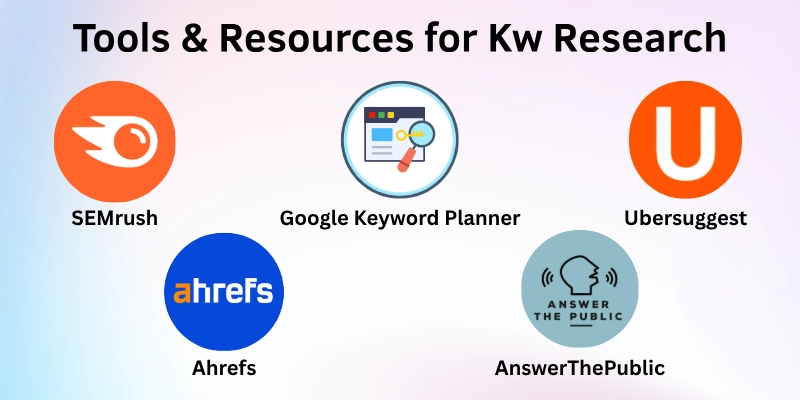
- Google Keyword Planner: Shows search volume, competition, and keyword suggestions.
- SEMrush: Provides competitor keyword insights and long-tail keyword opportunities.
- Ahrefs Keywords Explorer: Tracks keyword difficulty and search trends over time.
- Ubersuggest: Offers quick keyword ideas, search volume, and content suggestions.
- AnswerThePublic: Generates questions and phrases your audience is asking.
2. Competitor Analysis
Learn what’s working for others and spot gaps you can exploit.
- SEMrush Competitive Research: Compare competitor keywords, traffic, and backlinks.
- Ahrefs Site Explorer: Analyze competitors’ top pages, keywords, and referring domains.
- Moz Link Explorer: Discover competitor link profiles and authority metrics.
- SimilarWeb: Get traffic sources, audience insights, and competitor comparisons.
3. On-Page Optimization
Make your website pages easy for visitors and search engines to understand.
- Yoast SEO (WordPress): Helps optimize title tags, meta descriptions, and content structure.
- Rank Math (WordPress): Advanced on-page SEO tool with keyword analysis and schema support.
- Screaming Frog SEO Spider: Crawl your website to find missing tags, duplicate content, and errors.
- Sitebulb: Visual website audit tool to find on-page issues and structural improvements.
4. Technical SEO Audit
Fix behind-the-scenes issues that affect speed, mobile experience, and indexing.
- Google PageSpeed Insights: Measures loading speed and offers improvement suggestions.
- GTmetrix: Provides detailed site performance reports and optimization tips.
- Screaming Frog SEO Spider: Detects broken links, redirects, and duplicate content.
- Google Mobile-Friendly Test: Checks if your site works well on mobile devices.
- Ahrefs Site Audit: Detects technical SEO issues and overall website health.
5. Content Strategy and Creation
Create valuable content that attracts and engages your audience.
- Grammarly: Improves grammar, clarity, and readability of your content.
- Canva: Design engaging visuals, infographics, and images for your content.
- Piktochart: Create charts, infographics, and reports to enhance content appeal.
- BuzzSumo: Discover trending content topics and top-performing articles in your niche.
- Lumen5 / InVideo: Easily convert blog posts into engaging videos for wider reach.
6. Building High-Quality Backlinks
Earn links from trustworthy sites to increase authority and trust.
- Pitchbox: Outreach platform to manage guest posts and link-building campaigns.
- BuzzStream: Organize outreach emails and track link-building efforts.
- Ninja Outreach: Connect with influencers and find high-quality link opportunities.
- Hunter.io: Find email addresses for outreach and relationship building.
- Ahrefs Backlink Checker: Identify competitor backlinks and find opportunities.
7. Tracking and Analysis
Monitor progress, spot issues, and refine your strategies for better results.
- Google Analytics 4: Track traffic, conversions, and user behavior across your site.
- Google Search Console: Monitor indexing, keyword performance, and technical errors.
- Ahrefs Rank Tracker: Track keyword rankings and SERP movement over time.
- SEMrush Position Tracking: Monitor competitor rankings and discover growth opportunities.
- Hotjar: Analyze user behavior with heatmaps, session recordings, and feedback polls.
Future Trends in SEO and Predictive Analysis
Here are some important things to keep an eye on:
- Search Intent Focus: Create content that exactly matches what people are trying to find.
- Mobile‑First Performance: Websites must work fast and smoothly on phones and tablets.
- Content Depth & Relevance: In‑depth answers and helpful pages outrank shallow articles.
- Page Speed & User Experience: Faster pages and easy navigation improve rankings.
- Structured Data & Rich Results: Marking up content helps search engines show rich previews.
- Secure Websites (HTTPS): Secure sites build trust and avoid penalties.
- Local SEO & Maps Visibility: Optimizing for local searches brings more nearby customers.
- Video SEO: Properly optimized video content appears in search results and suggested feeds.
- Long‑Form & Evergreen Content: Detailed content stays relevant longer and ranks better.
- Topic Clusters & Content Hubs: Grouping related content helps search engines understand your site.
- User Engagement Signals: Pages that keep people reading and clicking send stronger ranking signals.
- Visual Search Optimization: Making images easy to find and index increases visibility.
- Brand Trust & Authority Signals: Real reviews, testimonials, and clear credentials boost trust.
- Search Privacy Changes: SEO must adapt as search privacy and tracking rules tighten.
- Voice‑Friendly Content: Conversational, question‑based content works better for voice search.
- Continuous Content Updates: Regularly updating old content keeps it fresh and relevant.
Conclusion
In this guide, we covered the best steps to predict SEO success: keywords, competitors, on-page SEO, technical checks, content, backlinks, and tracking. Following these steps helps your website get noticed, attract the right visitors, and grow steadily.
My advice: Start small, focus on helping your visitors, update content regularly, and track your results. Quality and consistency matter more than shortcuts. Keep learning and improving as you go.
SEO takes time, but with steady effort, your website can rise in search results, reach the right audience, and become a trusted source in your niche.
FAQs
Here are the most frequently asked questions about predicting SEO success:
SEO success is influenced by various factors including keyword research, on-page optimization, quality backlinks, user experience, mobile-friendliness, page load speed, and relevant, high-quality content.
Keyword research is important because it lets you know what people are looking for and lets you make your material fit that. If you focus on the right trendy phrases, you’re more likely to show up higher in search engine results.
Enhancing user experience involves creating easy-to-navigate websites, optimizing page speed, using descriptive URLs, and having a responsive design that looks good on both desktop and mobile devices.
Backlinks from well-known websites tell search engines that your content is useful and trustworthy. Good backlinks can help your site rise higher in search results and give it more credibility.
Yes, content quality matters more than quantity. High-quality, informative, and engaging content attracts users and encourages them to spend more time on your site, reducing bounce rates and improving SEO performance.
Yes, on-page optimization remains crucial. Optimizing meta tags, headings, images, and the layout of your content helps search engines understand how relevant your content is and makes the user experience better.
SEO is a long-term strategy with no short-term solutions. Be wary of strategies promising immediate results, as they may result in search engine penalties. Concentrate on enduring practices that are sustainable.




- Be Respectful
- Stay Relevant
- Stay Positive
- True Feedback
- Encourage Discussion
- Avoid Spamming
- No Fake News
- Don't Copy-Paste
- No Personal Attacks
- Be Respectful
- Stay Relevant
- Stay Positive
- True Feedback
- Encourage Discussion
- Avoid Spamming
- No Fake News
- Don't Copy-Paste
- No Personal Attacks
